- hello@group8.co
- 12 Marina View, Singapore

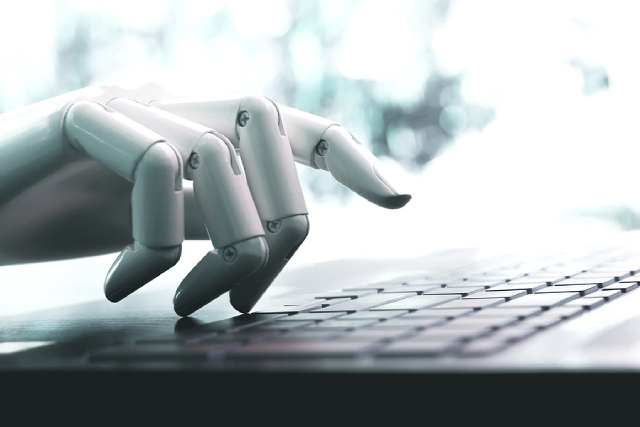
The rise of artificial intelligence has reshaped how we live, work, and connect. From virtual assistants helping us manage daily tasks to AI-driven tools that streamline business operations, the benefits are clear. Singaporean companies are increasingly leaning on AI to optimise workflows, enhance customer experiences, and even predict market trends. It’s exciting to witness technology that once felt futuristic become part of our everyday lives.
But with every breakthrough comes a shadow side. AI has also become a tool for bad actors, giving them new ways to target individuals and organisations. Cybersecurity teams in Singapore are facing a wave of threats that are faster, more sophisticated, and increasingly personalised. Hackers are no longer sending generic spam emails; they are using AI to craft messages that mimic a person’s style, anticipate reactions, and exploit vulnerabilities in ways that are surprisingly convincing.
Traditional phishing emails were often easy to spot: poor grammar, odd sender addresses, and suspicious links gave them away. AI-powered phishing, however, has raised the stakes. Hackers can now feed AI models with information scraped from social media, corporate websites, or even leaked data, creating messages that appear highly personalised. A finance manager might receive an email that looks like it comes from their CEO, referencing a recent company meeting or project. A supplier could be asked to approve an invoice in a tone that mirrors past communications.
This isn’t science fiction. AI tools can analyse writing patterns, mimic tone, and even predict the kind of language that will trigger a response. By the time a recipient reads the email, it feels authentic, familiar, and urgent, which is exactly the psychological triggers that phishing relies on.
Many companies believe they’re too small to be targeted, but attackers often favour organisations with weaker defences. Small and medium-sized enterprises (SMEs) might not have dedicated cybersecurity teams, yet they often have access to the same sensitive data that large firms hold. That makes them an attractive target.
In Singapore, the landscape is particularly challenging. Businesses are digitally connected, operate across borders, and often store client information on multiple platforms. A single successful phishing attack can compromise financial data, client information, or even intellectual property. Beyond immediate losses, reputational damage can have long-term consequences.
Employees are often the first line of defence, but they can also be the most vulnerable. No matter how sophisticated your IT systems are, a convincing email can bypass technical controls and exploit human psychology. That’s why understanding and mitigating these AI-driven attacks is critical.
Proactive security measures are key. Vulnerability testing in Singapore allows organisations to identify weak points before attackers do. By simulating realistic attacks in a controlled environment, companies can pinpoint gaps in both technology and human behaviour. This isn’t about creating fear; it’s about awareness and preparedness.
Penetration tests, red teaming exercises, and regular audits help uncover not just technical flaws but also procedural weaknesses. For example, a phishing simulation might reveal that employees frequently click on links that seem urgent or familiar. While simulations are valuable, businesses should also understand the hidden risks of phishing simulations and ensure they’re conducted responsibly.
It can be difficult to distinguish between a genuine email and a highly personalised phishing attempt. Some common red flags include:
Training employees to recognise these patterns can drastically reduce risk. Combining human vigilance with technical controls, like multi-factor authentication and advanced email filtering, creates a stronger defence against AI-crafted scams.
Interestingly, just as hackers leverage AI, cybersecurity teams are also turning to artificial intelligence to defend against threats. AI can analyse patterns across thousands of emails in seconds, flag suspicious activity, and even respond to potential breaches before they escalate. This creates an evolving battle: AI versus AI.
Businesses that ignore the potential of AI-powered attacks are playing catch-up. It’s no longer enough to rely solely on antivirus software or firewalls. Understanding how AI can manipulate human behaviour and anticipating attack strategies is crucial to safeguarding operations.
AI has transformed how businesses operate, but it has also empowered hackers with new tools to craft sophisticated, personalised attacks. Awareness, preparation, and proactive testing are critical to staying ahead of these evolving threats.
Group8 provides comprehensive cybersecurity services designed to strengthen your digital defences and safeguard your operations. Our team offers tailored solutions, ensuring that businesses can navigate the complex threat landscape with confidence and clarity.